Online traffic management: what it is, when to use it, and how it works in practice
Online traffic management, also known as digital traffic management, is changing how roadworks, events, and infrastructure projects are handled. Instead of relying solely on physical signs and barriers, online traffic management deploys digital tools and real-time data to guide, inform, and monitor road users during temporary traffic situations. This shift is relevant for road authorities and contractors: a single sign along the road reaches fewer and fewer people, as road users nowadays primarily orient themselves via navigation apps and digital channels.
In this article, you will read what online traffic management entails, what you can achieve with it, when it is suitable for use, and which solutions from Ramudden Smart Mobility specifically contribute to this.
What is online traffic management?
Online traffic management is the directing, informing, and monitoring of traffic via digital channels, rather than exclusively via physical infrastructure such as signs, barriers, or traffic controllers. In practice, this involves, among other things:
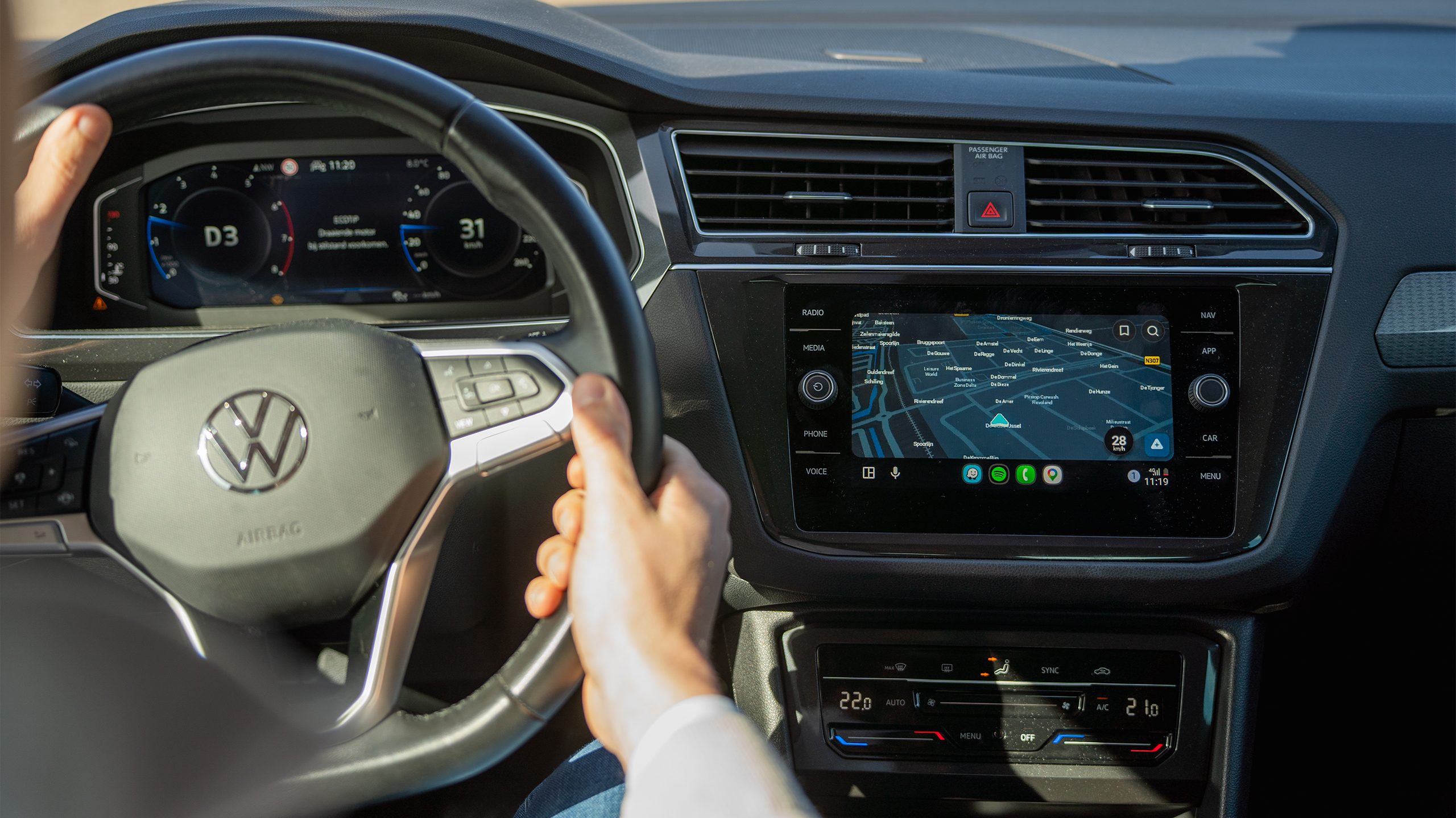
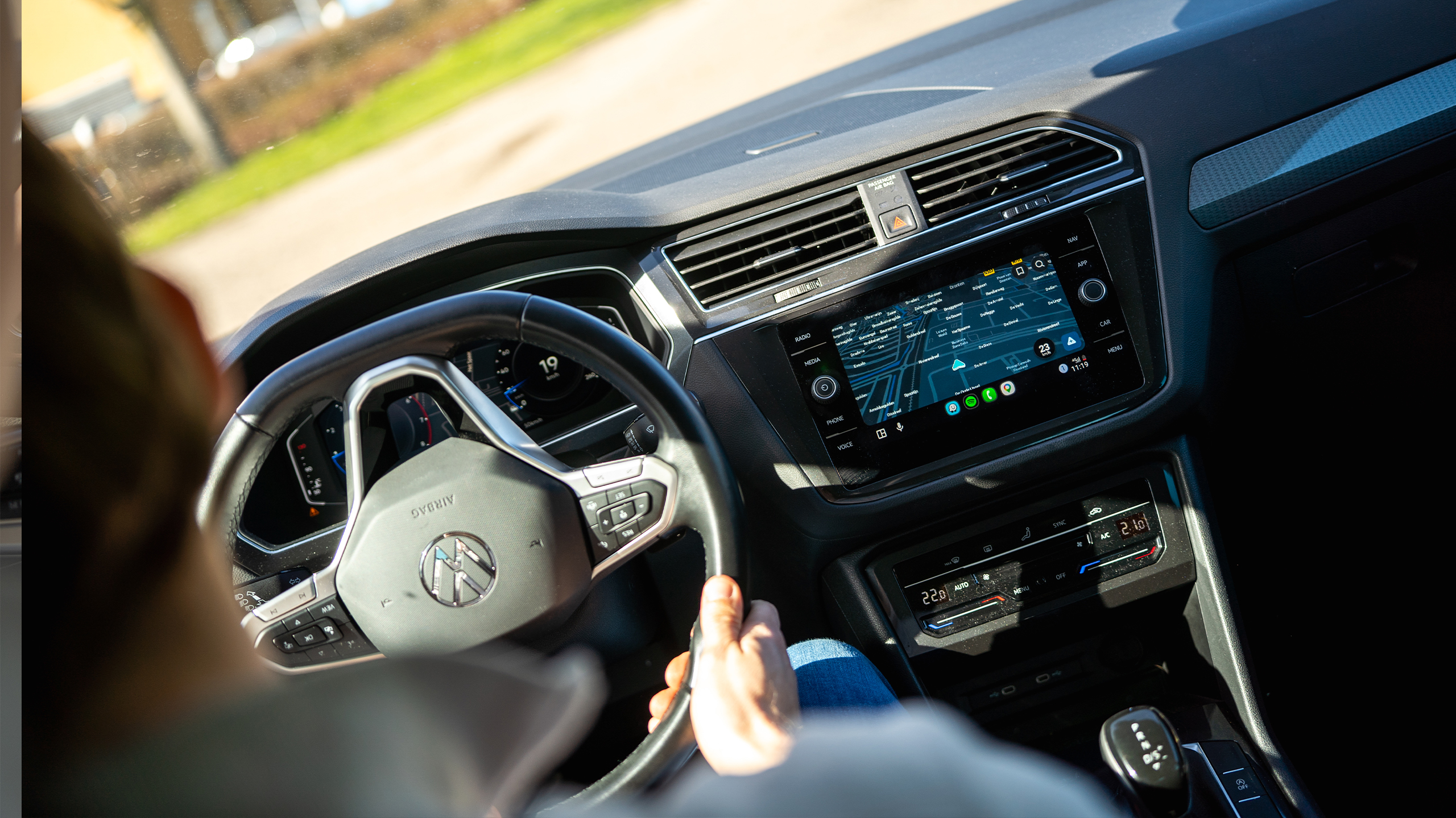
Influencing navigation apps so that road users are automatically guided via the desired route.
Sharing up-to-date information about roadworks and closures with navigation service providers.
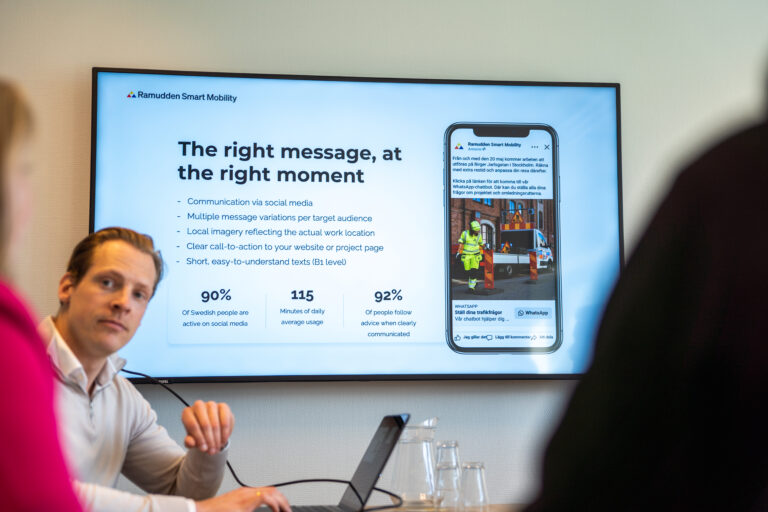
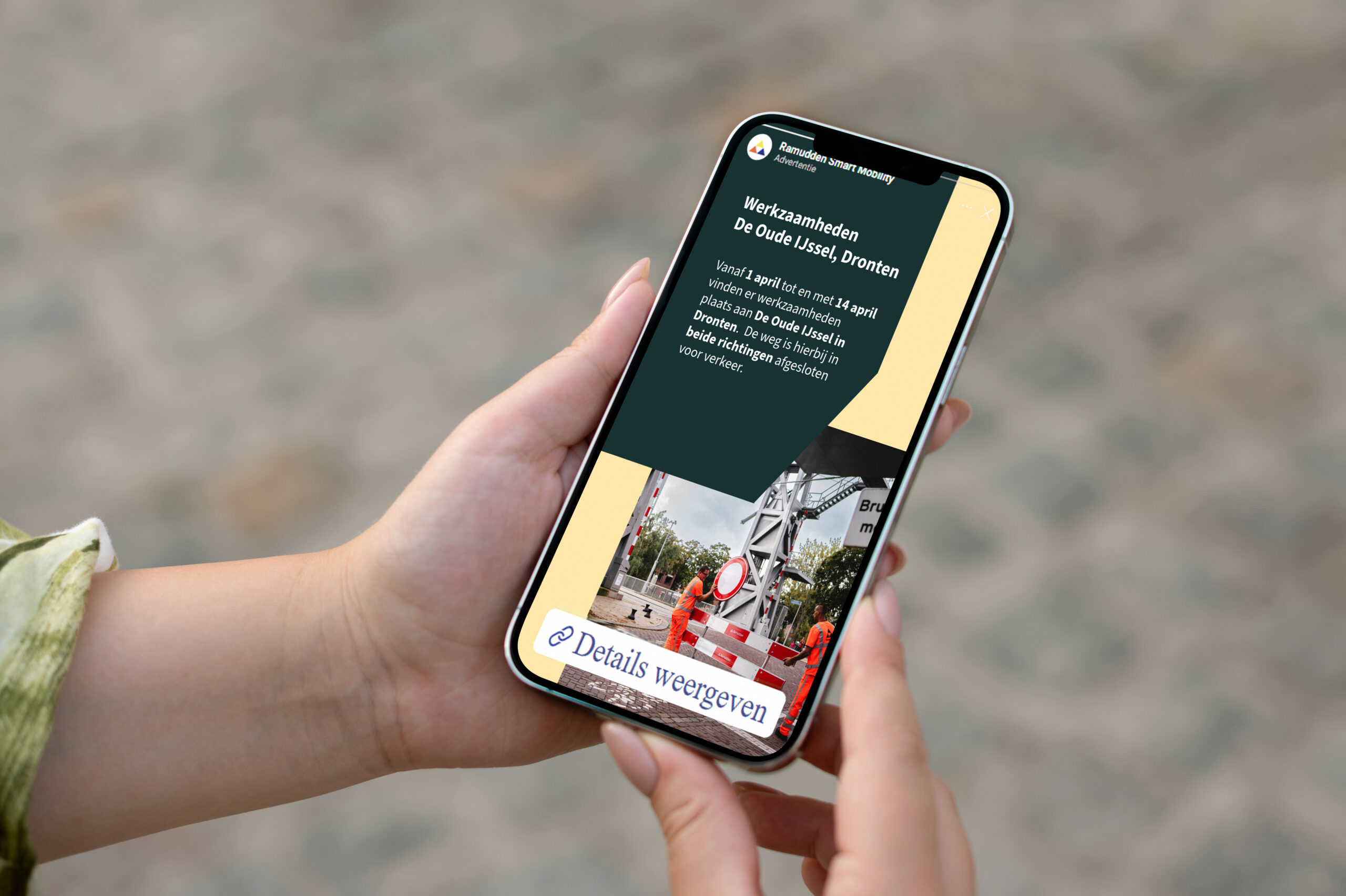
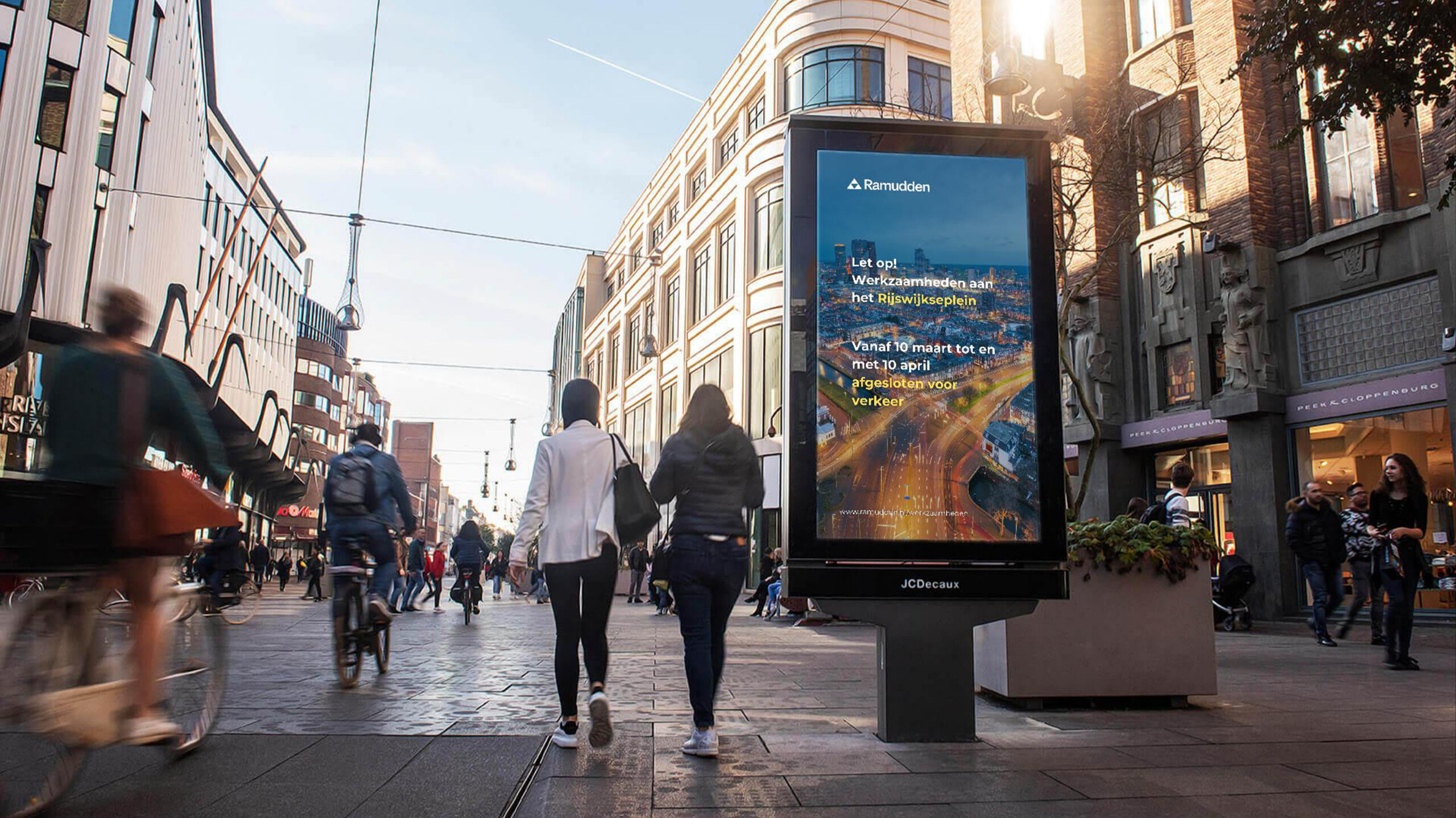
Reaching road users and local residents via targeted online communication and social media.
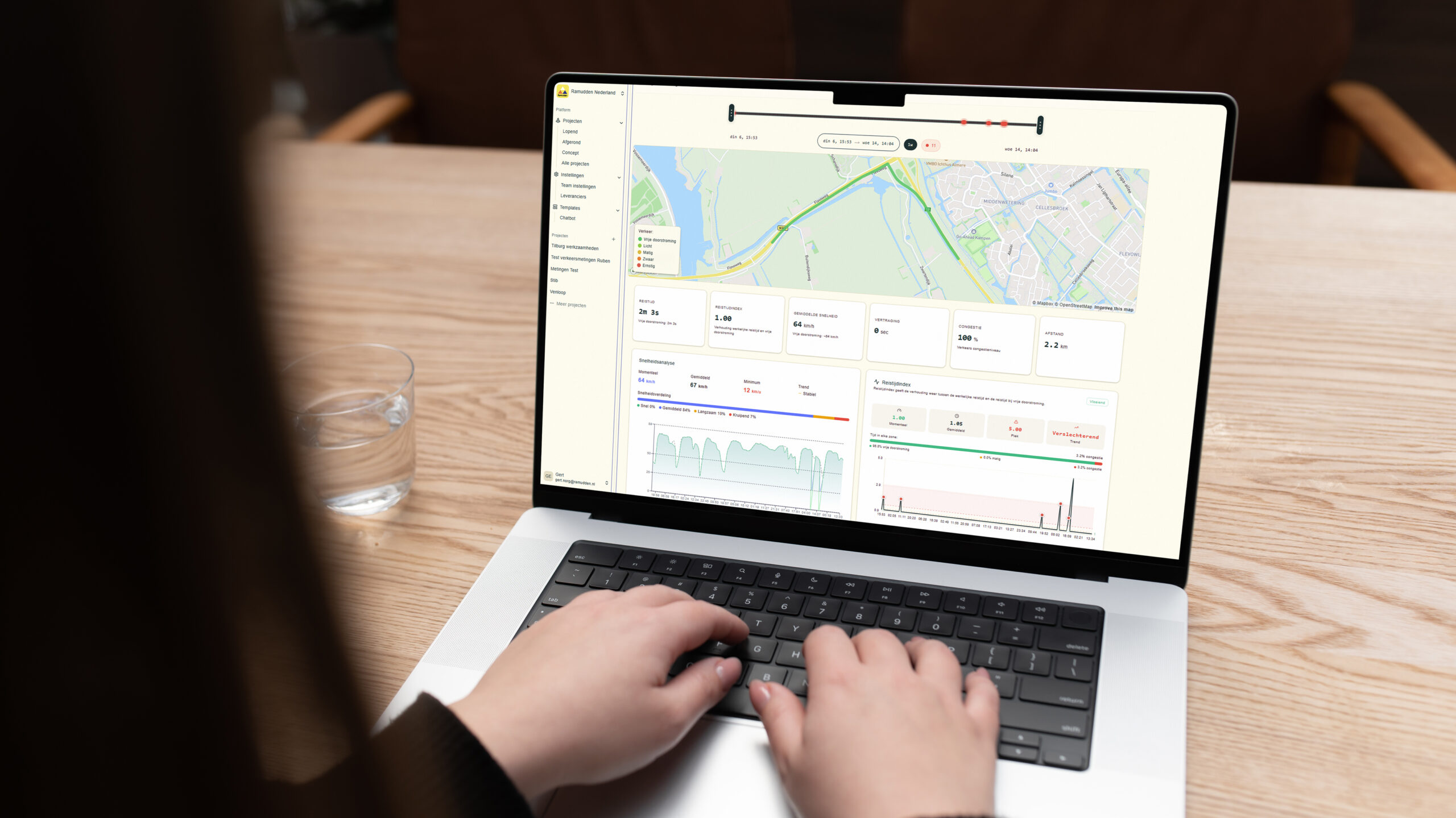
Monitoring traffic flows and travel behavior via digital data.
The idea behind it is simple: nowadays, road users and local residents obtain their information largely digitally, via navigation systems, apps, and social media. A classic DRIP sign or diversion arrow reaches fewer and fewer people precisely at the moment it matters. Online traffic management, on the other hand, aligns directly with how people actually travel and orient themselves today.
This is also the direction in which the sector is moving. Initiatives such as VM-IVRA (Traffic Management Information for Route Advice) demonstrate that road authorities, service providers, and national data platforms are collaborating increasingly structurally to get up-to-date traffic information directly into the car, rather than exclusively via roadside infrastructure.
Online traffic management versus traditional traffic management
It is good to have a clear distinction, because the terms are quite often used interchangeably:
Traditional traffic management relies on physical measures: signage, fences, diversion routes, and traffic controllers on site.
Online traffic management (or digital/smart traffic management) adds a digital layer to this: navigation influence, real-time communication, and data-driven monitoring.
In practice, these are not competing approaches. The most effective deployment combines physical measures with digital tools, each where they add the most value.
What can you achieve with online traffic management?
Online traffic management is not an end in itself, but a way to solve recurring, practical problems that occur in virtually every project involving temporary traffic situations:
Prevent cut-through traffic. A closure does not automatically ensure that traffic is logically diverted. Navigation systems calculate the “best” alternative route themselves, and this can easily run straight through a residential area, past a school, or over a road that was never intended for through traffic. Real-time control via navigation influence tackles this problem at the source.
Creating support. Local residents and business owners who are not informed in a timely manner often react with complaints, objections, and sometimes media attention. Targeted digital communication prevents those surprises.
Substantiate and justify measures. With the right traffic data, you demonstrate what a measure has actually yielded, useful for the board, client, or press.
Adjust in real time. Unlike a fixed sign along the road, digital measures can be quickly adjusted as soon as the situation changes. That is precisely the advantage of smart traffic management over static infrastructure.
When do you use online traffic management?
Online traffic management is particularly valuable during temporary traffic situations: roadworks, events, emergencies, or infrastructure projects. A few signals that the time has come:
There is a real risk of through traffic via undesirable routes, such as residential areas, narrow roads, or school zones.
The expected nuisance is significant enough that complaints or objections are likely.
Stakeholders or the board need substantiation — “why this measure, and does it work?”
The project spans an extended period, meaning the situation (and therefore the communication) may change along the way.
It is not necessarily necessary toor any small job, but becomes relevant as soon as disruption, traffic flow, or public support play a role — and that applies to most medium-sized and large projects.
How this comes together in the solutions of Ramudden Smart Mobility
At Ramudden Smart Mobility, online traffic management is not a standalone service, but a combination of solutions that reinforce each other. Each component tackles a different part of the challenge:
Each solution adds value in itself, but the strongest result is achieved by combining data (traffic measurements, behavioral research), steering (navigation influencing), and communication (environmental communication, chatbot, digital screens) into one continuous cycle: measure, steer, communicate, and adjust.
In short
Online traffic management starts from a simple reality: road users orient themselves digitally, so steering and communication must do the same. For road authorities and contractors, this means fewer surprises, fewer complaints, and better-informed decisions. Not through more physical measures, but by making smarter use of the digital channels that road users are already using.